

Layer 2 Crypto Explained: Arbitrum, Optimism, Base & Why They Matter
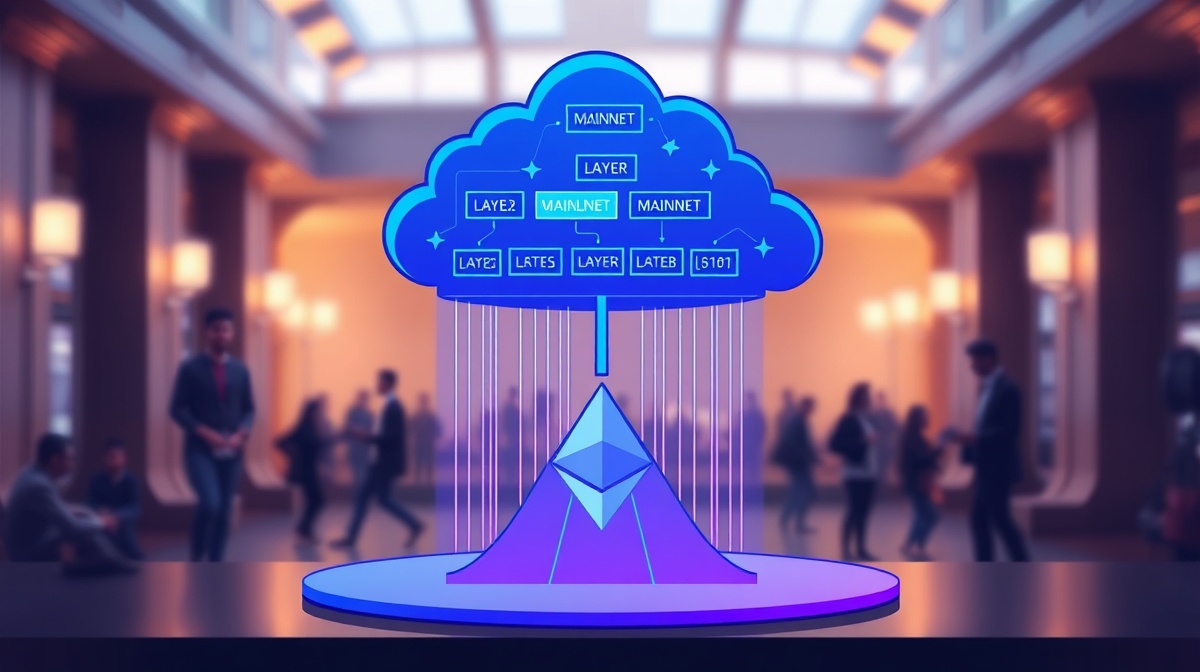
Layer 2 crypto explained: these solutions fix Ethereum’s speed and cost issues by processing transactions faster and cheaper before bundling them back for final settlement. Arbitrum, Optimism, and Base are three prominent Layer 2 networks, handling large daily volume.
What Is Layer 2 and Why Does It Exist?
Layer 1 is the base blockchain—Ethereum, Bitcoin, Solana. It’s the most secure but also the slowest and most expensive. Every transaction gets recorded on the main chain, which limits how many transactions can fit in each block.
Layer 2 is a separate network that sits on top of Layer 1. It processes transactions independently, then periodically bundles them and sends proof back to Ethereum. You get speed and low fees while keeping the security guarantee of the base layer.
Think of it like a highway toll plaza. Instead of processing each car individually at the main booth (slow, expensive), you batch cars into a bus (Layer 2), drive the bus through once, and settle the toll for the entire group. Everyone moves faster and pays less.
Arbitrum
Arbitrum is a major Layer 2 by total value locked (TVL) and daily transaction volume. It launched in 2021 and hosts assets across DeFi protocols, NFT marketplaces, and gaming dapps.
How Arbitrum Works
Arbitrum is an Optimistic Rollup. That means it assumes all transactions are valid by default. If someone submits a bad transaction, a network of validators (called sequencers) can challenge it within a dispute window. The fraudulent transaction gets reversed, and the bad actor loses their stake.
Transactions on Arbitrum settle in about 15 minutes to Ethereum. You don’t wait 15 minutes to use Arbitrum—transactions confirm instantly on the Layer 2 itself. The 15-minute window is just when the batch gets finalized on Ethereum, making it impossible to reverse.
Arbitrum Tokenomics and Governance
ARB is Arbitrum’s governance token. Supply was allocated to the DAO treasury, founders and teams, investors, and users who qualified for the airdrop.
ARB holders vote on protocol upgrades, fee structures, and treasury allocation. The token is not capped—new tokens can be minted to fund development, so dilution is a long-term concern for holders.
Arbitrum Ecosystem Strength
Arbitrum hosts Uniswap (decentralized exchange), Aave (lending), GMX (derivatives), and Magic Eden (NFT marketplace). This depth means reliable liquidity and established user bases. If you want to swap tokens or borrow crypto with predictable slippage, Arbitrum is stable.
Ready to Understand Crypto Deeper?
Optimism: The Developer’s Choice
Optimism is a major Layer 2 by TVL. It also runs as an Optimistic Rollup with the same fraud-proof security model as Arbitrum, but with different technical choices that appeal to developers.
Optimism vs. Arbitrum: Technical Differences
Both are Optimistic Rollups, but Arbitrum uses a multi-round dispute process while Optimism uses a single-round fraud-proof system. In practice, Optimism’s approach is simpler and faster to verify disputes, though both are equally secure.
Optimism also prioritizes EVM equivalence—meaning smart contracts work almost identically on Optimism as they do on Ethereum. Arbitrum requires slightly more code adaptation for some advanced features, though most dapps work on both.
OP Token and Community Governance
OP is Optimism’s governance token. Unlike ARB, OP had a stricter distribution, with allocations to early users, core contributors, the Optimism Foundation, and future incentives. The token vests over multiple years, reducing early dilution pressure.
OP holders control the Optimism Collective—a bicameral (two-chamber) governance system where one chamber controls funding and the other controls protocol parameters. It’s one of crypto’s most detailed governance experiments.
Optimism’s Ecosystem
Optimism runs Uniswap, Aave, Curve (DEX for stablecoins), Synthetix (derivatives), and Velodrome (DEX optimized for Optimism). The community is developer-focused, with strong tooling and documentation. If you’re building on Layer 2, Optimism often feels more approachable.
Base: Coinbase’s Layer 2
Base is backed by Coinbase, a major U.S. crypto exchange, which gives it institutional credibility and access to Coinbase’s retail users.
Base’s Architecture and Speed
Base is built on the OP Stack—the same technology that powers Optimism. That means it’s also an Optimistic Rollup with fraud proofs and roughly 15-minute finality to Ethereum. The main difference is governance and funding: Base doesn’t have its own token. It’s governed by Coinbase and the Optimism Foundation jointly.
Base transaction costs are similar to Arbitrum and Optimism. Settlement times are also comparable—instant on Base, finalized on Ethereum in 15 minutes.
Why Base Matters for Mass Adoption
Base removes friction for Coinbase users. You can deposit USD into Coinbase, swap it to ETH or stablecoins, and bridge to Base in seconds without touching a DEX. This rails-to-Layer-2 pipeline is huge for onboarding non-technical users.
Base also focuses on consumer-facing dapps—gaming, social, and payment apps—rather than hardcore DeFi. That positioning makes it the Layer 2 most likely to attract normie users who don’t care about yield farming or LPing.

How to Use Layer 2: Bridging and Swapping
To move tokens from Ethereum to a Layer 2, you use a bridge. This is the most critical piece most people misunderstand.
Bridging Assets to Layer 2
Official bridges are provided by each Layer 2’s team. The Arbitrum Bridge and Optimism Bridge let you lock ETH or ERC-20 tokens on Ethereum, and receive equivalent tokens on the Layer 2. The process takes 10-20 minutes and costs gas fees.
Third-party bridges like Across and Stargate use liquidity pools to swap tokens between layers instantly. You pay a small fee instead of gas, and tokens arrive in seconds. These are faster but less audited than official bridges.
Critical warning: Bridges are the highest-risk component of Layer 2. A compromised bridge can lose user funds. Always use official bridges or well-audited third-party options. Check on-chain contract details and lock status.
Swapping Once You’re on Layer 2
Once you’re on Arbitrum, Optimism, or Base, you use the same DEXs as Ethereum—Uniswap, Curve, Aave—but the Layer 2 versions. The interface is identical. Fees are much lower. Settlement is instant.
You can also interact with Layer-2-native protocols like GMX (perpetual futures) on Arbitrum or Velodrome (tokenized incentive DEX) on Optimism. These exist only on Layer 2 because the economics only work at low fees.
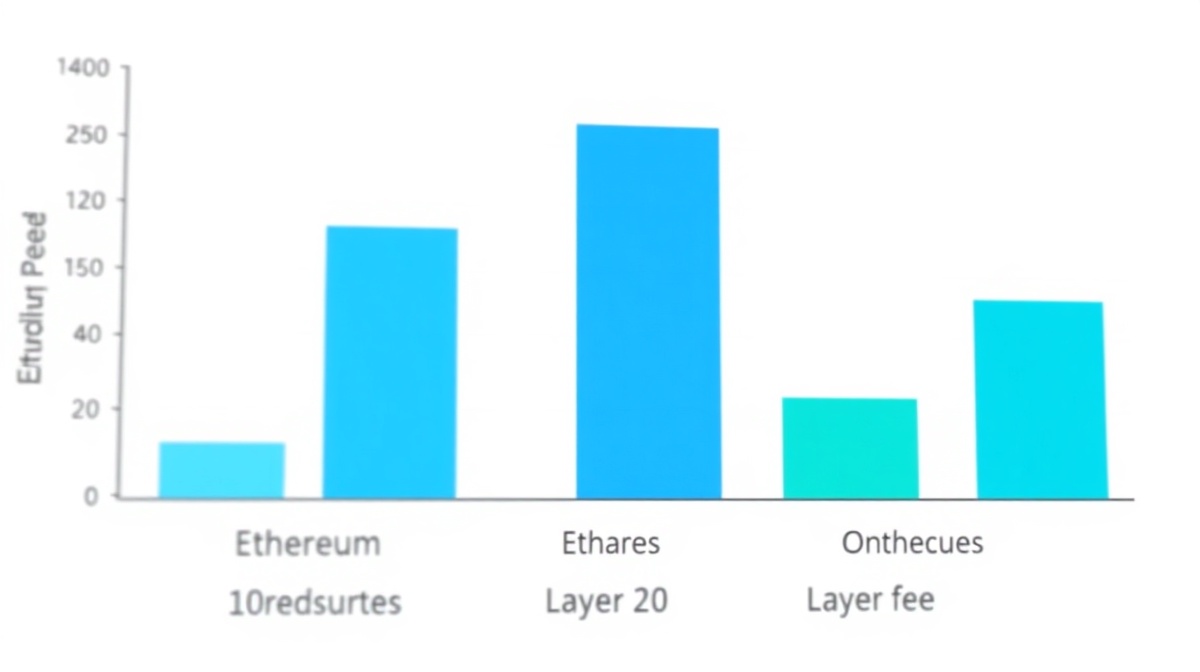
Transaction Costs: A Real Comparison
Layer 2 is much cheaper than mainnet during normal conditions. During peak Ethereum congestion (like during major NFT drops), the gap widens even more. For small accounts or frequent traders, this difference is literally the difference between profitable and not.
Security: Are Layer 2s Actually Safe?
Layer 2 security comes from Ethereum itself. Even if a Layer 2 network is completely hacked, users can always withdraw their funds to Ethereum using the fraud-proof mechanism (for Optimistic Rollups) or zero-knowledge proofs (for ZK Rollups).
Optimistic Rollup Security Model
Arbitrum and Optimism use Optimistic Rollups. A sequencer proposes a batch of transactions. If no one disputes it within 7 days, it’s finalized. If someone submits a valid fraud proof, the transaction is reverted and the bad actor is slashed.
The weakness: sequencer downtime. If Arbitrum’s sequencer goes offline, no new transactions can be processed. But your funds are always safe—you can withdraw to Ethereum at any time via the canonical bridge, which is the final source of truth.
ZK Rollup Security (Future Layer 2s)
StarkNet and zkSync use zero-knowledge proofs instead of fraud proofs. A prover generates a cryptographic proof that all transactions in a batch are valid. This proof is verified on Ethereum—if it’s valid, the batch is finalized instantly. No 7-day dispute window needed.
ZK Rollups are theoretically more secure (no dispute window exploits), but the proving mechanism is younger and more complex. Both models are safe for serious assets.
Why Layer 2s Matter: The Real Impact
Layer 2s are not just faster—they fundamentally change what’s economically possible in crypto.
DeFi Economics Become Sustainable
Lending protocols like Aave can’t function on mainnet for small loans (fees exceed interest). On Layer 2, small loans can be profitable because transaction costs are far lower. This enables true microfinance on-chain.
Gaming and Social Apps Become Real
Axie Infinity, a blockchain game, moved to Ronin (its own sidechain) specifically to get low fees. With Base and Arbitrum, any game developer can build on Ethereum-strength security without custom infrastructure.
MEV and Frontrunning Reduce
Layer 2 sequencers can implement MEV-resistant ordering (like fair ordering or PBS—Proposer/Builder Separation). Users benefit from fewer sandwich attacks and better execution prices. This is still evolving, but Layer 2 provides a cleaner slate to solve mainnet’s fairness problems.
The Roadmap Ahead: Ethereum’s Rollup Endgame
Ethereum is explicitly designing toward a rollup-centric future. The Dencun upgrade introduced EIP-4844, which substantially reduced Layer 2 posting costs. As Ethereum’s roadmap continues (Proto-Danksharding, then full Danksharding), Layer 2 fees will drop toward pennies.
Meanwhile, Layer 2s themselves are launching Layer 3s. Arbitrum Orbit lets anyone deploy their own Layer 2 on top of Arbitrum. This creates a recursive scaling solution—potentially infinite throughput as you chain more layers.
The crypto industry is consolidating around Arbitrum, Optimism, and Base as major Layer 2s, but the underlying technology will keep improving. If you’re new to crypto, Layer 2 is where you should start—mainnet is for large positions and settlement only.
FAQ
What is the difference between Layer 1 and Layer 2 crypto?
Layer 1 is the base blockchain (Ethereum, Bitcoin) where all transactions are recorded directly. Layer 2 is a separate network that processes transactions faster and cheaper, then settles them to Layer 1 periodically. Layer 1 is more secure but slower; Layer 2 is faster and cheaper but inherits its security from Layer 1.
Is it safe to use Arbitrum, Optimism, and Base?
Yes. Both Arbitrum and Optimism use fraud-proof mechanisms that allow users to always withdraw funds to Ethereum, even if the Layer 2 is hacked. Base inherits the same security from the OP Stack.
Do I need a special wallet to use Layer 2?
No. MetaMask, Coinbase Wallet, and most other wallets support Layer 2s natively. You just need to add the Layer 2’s RPC endpoint to your wallet settings (most wallets do this automatically). Then you can bridge tokens and interact with dapps as normal.
How long does it take to withdraw from Layer 2 back to Ethereum?
On Optimistic Rollups like Arbitrum and Optimism, the official bridge takes 7 days for security (the fraud-proof dispute window). Third-party fast bridges can do it in minutes, but charge a fee. For most users, 7 days is acceptable since you’re unlikely to need funds urgently.
Will Layer 2s eventually replace Ethereum mainnet?
No. Ethereum mainnet will remain the settlement layer and source of truth. Layer 2s will handle most daily transaction volume, but mainnet is where large transactions settle and where protocol security ultimately lives. The future is a multi-layer stack, not Layer 2 replacing mainnet.
Stay Ahead of Layer 2 Developments